Understanding Diagnostic Tools: X-ray, Ultrasound & Blood Tests Explained

When your pet isn’t acting like their usual playful self, it’s natural to worry. Sometimes, the cause of discomfort is obvious, but in many cases, the issue lies beneath the surface. This is where diagnostic tools become lifesavers. At an Edmonton Pet Hospital, advanced tools like X-rays, ultrasounds, and blood tests provide a clear picture of your pet’s health, guiding the veterinarian toward the right treatment.
This guide breaks down these essential diagnostic tools, explains how they work, and shows why having access to an advanced Veterinary Hospital Edmonton ensures your pet receives the best care possible.
Why Diagnostics Are Crucial for Your Pet’s Health
Unlike humans, pets can’t describe their symptoms. Instead, veterinarians rely on specialized tests to detect internal problems, rule out conditions, and create targeted treatment plans. Whether it’s a limping dog, a cat with digestive trouble, or an aging pet needing wellness checks, diagnostic tools are the backbone of effective veterinary care.
When you visit an Edmonton Pet Hospital, the goal isn’t just treatment—it’s accurate, timely diagnosis.
X-Rays: Seeing Beneath the Surface
What Are X-Rays?
X-rays are one of the most common diagnostic tools at any Vet Clinic Edmonton. They use small doses of radiation to capture images of bones and internal organs. This painless and non-invasive method quickly reveals hidden issues.
What Do X-Rays Detect?
Fractures and bone injuries
Arthritis and joint changes
Foreign objects swallowed by pets
Tumors or abnormal growths
Lung and heart conditions
At a trusted Edmonton Pet Hospital, digital X-ray technology ensures clearer images with faster results, so your pet gets treatment without unnecessary delays.
Why Are X-Rays Important?
They’re often the first step in detecting issues that aren’t visible from the outside. For example, if your dog suddenly limps, an X-ray at a Veterinary Hospital Edmonton can determine if it’s a fracture, dislocation, or arthritis flare-up.
Ultrasound: A Window Into Soft Tissues
What Is an Ultrasound?
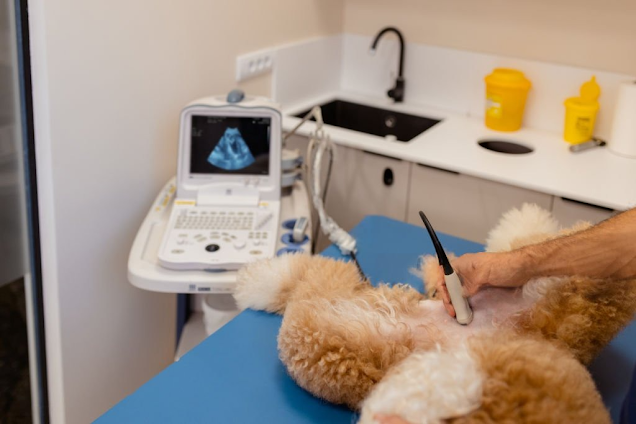
Unlike X-rays, which focus on bones and dense structures, ultrasound uses sound waves to produce real-time images of soft tissues and internal organs.
When Is Ultrasound Recommended?
Detecting pregnancy and monitoring fetal health
Examining abdominal organs like the liver, kidneys, and spleen
Checking for internal bleeding or fluid buildup
Identifying tumors, cysts, or obstructions
An ultrasound at an Edmonton Pet Hospital is completely painless, and pets typically don’t need sedation. This makes it a safe and effective diagnostic choice, especially for sensitive conditions.
The Advantage of Ultrasound in Veterinary Care
By providing a moving image, ultrasounds allow vets to observe organ function in real time. For instance, they can watch how blood flows through the heart or detect irregularities in the bladder. This level of detail helps your Veterinary Hospital Edmonton provide tailored treatments.
Blood Tests: The Hidden Health Report
Why Blood Tests Matter
Blood tests are one of the most valuable diagnostic tools in veterinary medicine. They provide a snapshot of your pet’s internal health, often detecting diseases long before symptoms appear.
Common Blood Tests at an Edmonton Pet Hospital
Complete Blood Count (CBC): Measures red and white blood cells to detect infections, anemia, or immune issues.
Biochemistry Profile: Evaluates organ health, including the liver, kidneys, and pancreas.
Thyroid Testing: Identifies hormonal imbalances that affect energy and weight.
Blood Clotting Tests: Crucial before surgeries to ensure safe anesthesia.
Benefits of Regular Blood Work
Routine blood tests at a Vet Clinic Edmonton help establish a baseline for your pet’s health. This makes it easier to detect subtle changes over time, ensuring early treatment for chronic conditions.
How Diagnostic Tools Work Together
At an Edmonton Pet Hospital, veterinarians rarely rely on just one test. Instead, X-rays, ultrasounds, and blood tests complement each other. For example:
If a pet has abdominal pain, an ultrasound may detect fluid buildup, while blood tests confirm infection.
A fracture seen on X-ray may also require blood work before surgery.
Heart conditions often require both X-rays (for lung and heart size) and ultrasound (for heart function).
By combining these tools, a Veterinary Hospital Edmonton ensures a comprehensive diagnosis and precise treatment.
Choosing the Right Edmonton Pet Hospital for Diagnostics
Not all clinics are equally equipped. When looking for a reliable Vet Clinic Edmonton, consider:
Advanced Equipment: Digital X-rays, high-resolution ultrasound, and in-house lab testing.
Skilled Veterinarians: Professionals trained to interpret results accurately.
Comprehensive Care: From diagnosis to treatment under one roof.
Compassionate Team: A caring environment that keeps pets calm during procedures.
Gateway Vet Centre (yegvet.ca) is a trusted Edmonton Pet Hospital offering state-of-the-art diagnostic services with an experienced team that ensures every pet receives timely and compassionate care.
FAQ: Diagnostic Tools for Pets in Edmonton
Final Thoughts
Your pet’s health depends on accurate diagnosis, and modern tools like X-rays, ultrasounds, and blood tests are invaluable in ensuring timely care. By choosing a trusted Edmonton Pet Hospital such as Gateway Vet Centre, you’re giving your pet access to advanced diagnostics, compassionate treatment, and a healthier future.


Comments
Post a Comment