Pet Surgery Explained: How an Edmonton Pet Hospital Prepares Your Pet for Success

Understanding the Need for Pet Surgery
Surgery can be required for many reasons, including preventive procedures, injury repair, tumor removal, or emergency intervention. At an Edmonton Pet Hospital, veterinarians carefully evaluate your pet to determine if surgery is the best course of action. Sometimes, quick decisions are necessary — especially in cases of animal emergency Edmonton, where immediate treatment can save a life.
The Pre-Surgery Consultation
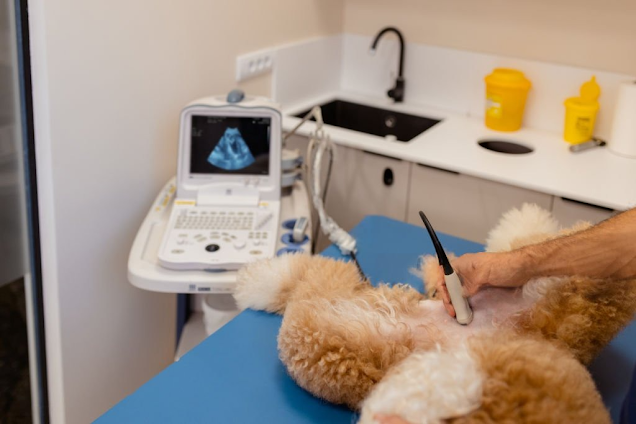
Before any procedure, your veterinarian will schedule a consultation to discuss your pet’s medical history, current condition, and surgical options. Blood work, X-rays, and diagnostic tests are often recommended to ensure your pet is healthy enough for anesthesia.
This stage is vital because it allows the Edmonton Pet Hospital team to tailor the anesthesia plan and surgical approach to your pet’s unique needs. It’s also the perfect time to ask questions and gain peace of mind.
Preparing Your Pet Before Surgery
Preparation is about minimizing risks and ensuring comfort. Most hospitals ask that pets fast for 8–12 hours before surgery to reduce anesthesia complications. You’ll also receive guidance on medications and activity restrictions.
Your Edmonton Pet Hospital may provide checklists so you can prepare a calm, safe recovery space at home ahead of time. Small steps like bringing your pet’s favorite blanket can also reduce stress during their stay.
The Day of Surgery: What Happens
On surgery day, your pet will be carefully admitted by the veterinary staff. A pre-anesthetic exam is performed, and intravenous (IV) fluids are started to keep your pet hydrated. Modern monitoring systems check heart rate, oxygen levels, and blood pressure throughout the procedure.
Pain Management and Safety
Pain control is not optional — it’s a cornerstone of veterinary surgery. Medications are given before, during, and after the procedure to keep pets comfortable. Local anesthetics, opioids, and anti-inflammatory drugs are commonly used.
An experienced Emergency Vet in Edmonton is also available to step in if complications arise. This guarantees that even in unexpected situations, your pet has expert care on hand.
Aftercare and Recovery
Once surgery is complete, your pet is moved to a recovery area where veterinary nurses monitor their breathing and comfort closely. Most pets go home the same day, but some may need overnight observation depending on the complexity of the procedure.
Owners receive clear aftercare instructions, including medication schedules, activity limits, and signs of complications to watch for. A follow-up appointment at the Edmonton Pet Hospital ensures proper healing.
Emergency Surgeries: What You Should Know
Not all surgeries are planned. Cases of internal bleeding, urinary blockages, or foreign body ingestion require immediate attention. In these situations, an animal emergency Edmonton service is critical. Gateway Vet Centre and other trusted hospitals in the city provide urgent surgical care backed by experienced Emergency Vet Edmonton professionals.
How You Can Support Your Pet Post-Surgery
Recovery doesn’t end when you leave the hospital. At home, keep your pet in a quiet space, limit jumping or running, and ensure they don’t lick their incision. Providing love and patience is just as important as following the medical instructions.
FAQ: Featured Snippet Section
Final Thoughts
Pet surgery may sound intimidating, but with the right preparation and veterinary support, it can be a smooth and safe process. At a trusted Edmonton Pet Hospital like Gateway Vet Centre, your pet’s health, comfort, and safety always come first. From pre-surgery planning to compassionate aftercare, the goal is simple — helping pets heal successfully and return to the life they love.


Comments
Post a Comment